25 25 engineering or industrial engineering words or terms. terms
These are some words that we will use in the course.
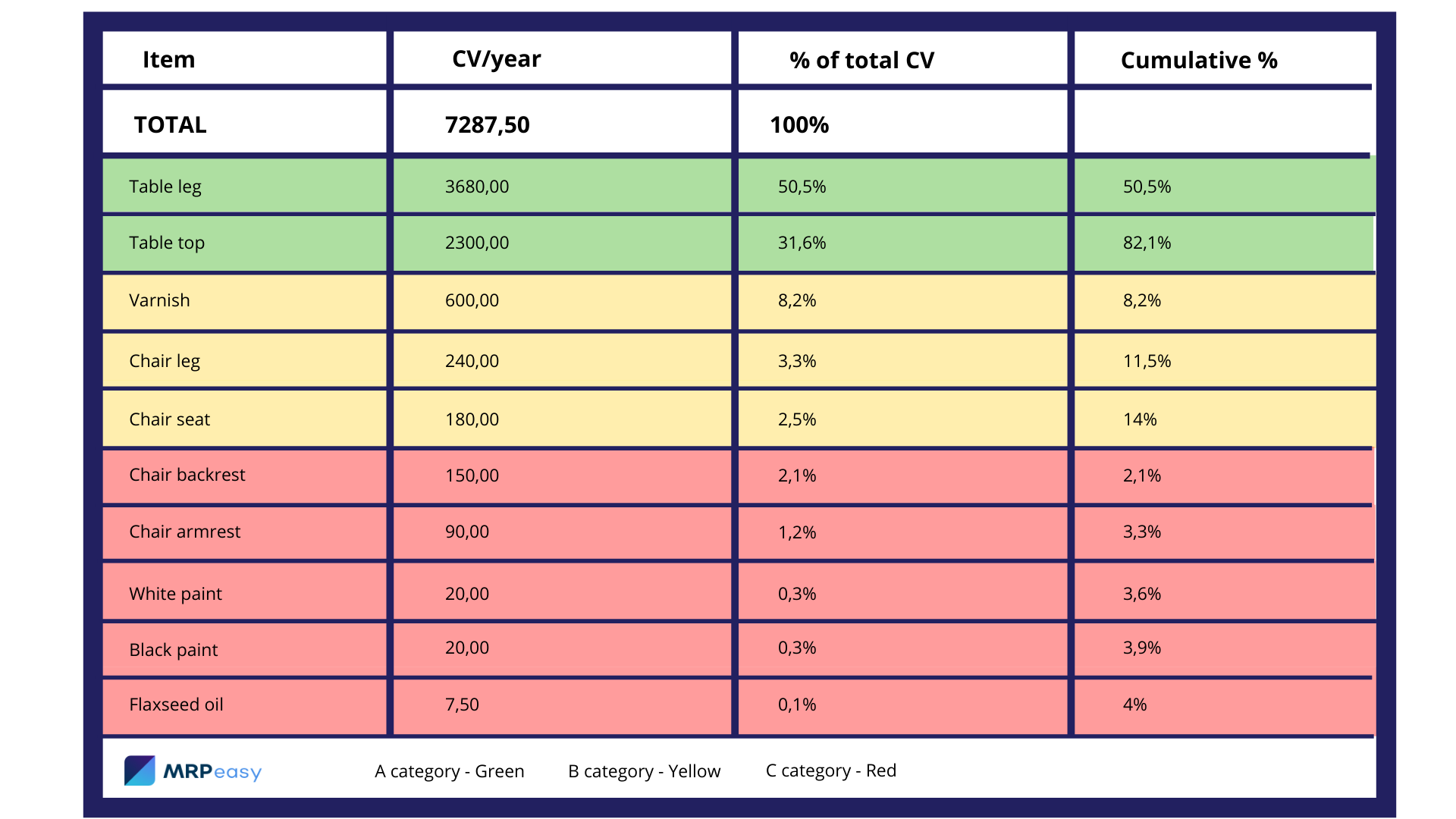
ABC analysis
Noun
A code used based on Pareto analysis where class "A" is the small number (say, 10%) of high-value items, class "C" is the large number (say, 60%). ) of low value elements and the "B" class covers the rest or intermediate range.
Example: ABC analysis helps a seller to analyze the customer demand for a particular category of product and then manage the stocks accordingly.
es: Clasificación ABC.
Arrears
Noun
Items that have not been completed by the due date specified in an order.
Example: Accounts can also be in arrears for things like car payments, utilities, and child support—any time you have a payment due that you miss.
es: Atrasos.
Batch
Noun
A physical assembly of parts or products, which is treated as a single unit for convenience in production.
Example: The arguments can be called from the batch files through the variables %1, %2, %3, and so on.
es: Lote.
Bill Of Materials
Noun
A list of the parts, subassemblies, and raw materials that make up a particular assembly, showing the required quantity of each part.
Example: A bill of materials for a bicycle includes all its component parts.
es: Listado de partes.
Business Process Analysis
Noun
Sub-technique of PFA, which is used to plan the simplification of the flow of materials between the different factories or large divisions of a large company.
Example: When processes cause problems for your customers, and your employees, and ultimately your bottom line, business process analysis.
es: Análisis de flujo de empresas
CAD
Noun
The use of the computer to assist in the design process.
Example: CAD is mainly used for detailed engineering of 3D models or 2D drawings of physical components.
es: Diseño Asistido por Computadora.
CAM
Noun
The use of the computer to assist in the manufacturing process.
Example: Some techniques that were considered CAM in the past have become mainstream.
es: Fabricación Asistida por Computadora.
Capacity
Noun
Capacity is the number of "work units" that can be completed at a work center in a given period of time.
Example: An example of capacity is how many people can fit in a room.
es: Capacidad.
Cell
Noun
Organizational unit designed to complete the manufacture of a specific 'family' of components or assemblies and equipped with all the necessary production facilities for this.
Example: A manufacturing cell is two or more processes that add value, united in an optimal way, whose objective is to manufacture one or more units of the same product in a short term, so that they can easily be adapted or changed to produce another similar product.
es: Celda.
CIM
Noun
A production system based on an integrated and centralized database.
Example: Functional diagram of a CIM.
es: Manufactura Integrada por Computadora.
Component
Noun
Any item in a parts list. It can be a piece or a set.
Example: Manufacturing is today a fundamental component of the modern economy since it is about the generation of wealth.
es: Componente.
Control
Noun
It is the management process by which events are limited to following plans.
Example: Quality control aims to continuously monitor the quantity of the product.
es: Control.
Expansion of the content of the work
Noun
An increase in the work content and cycle time of an employee's work, in order to reduce monotony and boredom, and increase job satisfaction.
Example: An experience of expanding the content of the job can be considered when, for example, there are three jobs with tasks of very poor content and that are related to each other (they are complementary operations), combining these tasks in each of the positions.
es: Ampliación del contenido del trabajo.
Fixed assets
Noun
The amount of capital invested in machines and equipment.
Example: Fixed assets are not readily liquid and cannot be easily converted into cash.
es: Activos fijos.
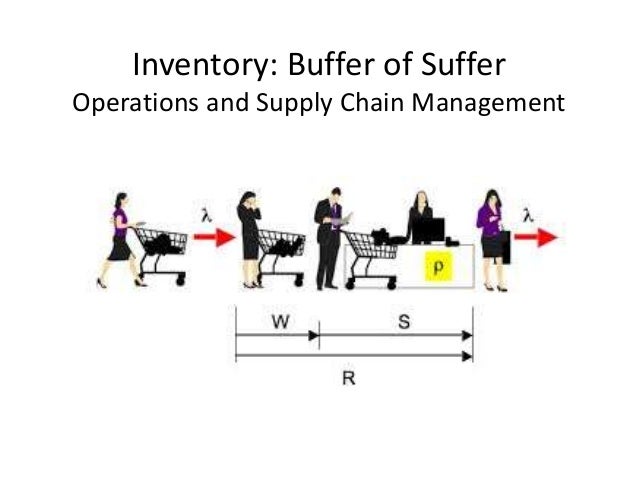
Inventory Buffer
Noun
Stock held as insurance against an unexpected increase in demand or a delay in the receipt of a new batch.
Example: Buffer stock is being kept to protect for example, when market demand of goods exceeds the company's predictions.
es: Amortiguador de inventario.
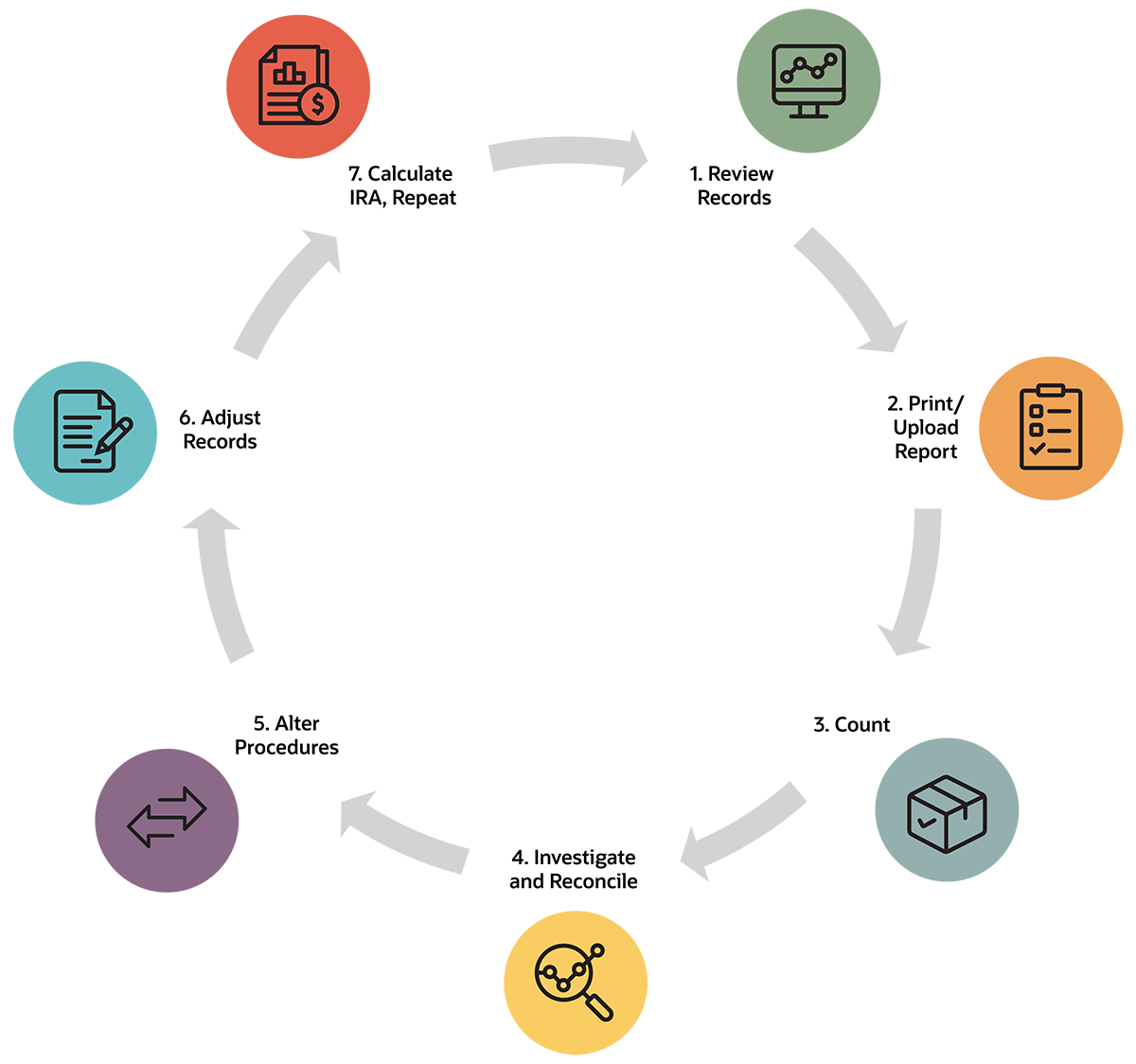
Inventory cycle
Noun
The portion of stock available or planned to be available for normal demand, excluding excess stock and safety stock.
Example: Inventory cycle in a supply chain.
es: Ciclo de inventario.
Line balance
Noun
Technique used to plan and control the production of batches of special products that must be delivered progressively over a period of time. The plans showing the required production in each period of the production period, of each progressive stage of processing, are illustrated by "balance line graphs".
Example: The operator balance chart, also known as a percent load chart, operator loading diagram, cycle time / takt time bar chart, or line balance analysis graph.
es: Balance de línea.
Order quantity
Noun
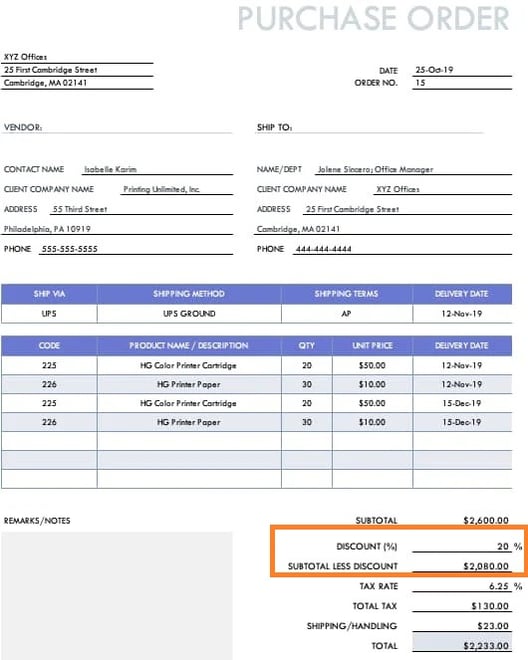
The total quantity of an item authorized for manufacture or purchase by placing an order.
Example: The Economic Order Quantity (EOQ) is the number of units that a company.
es: Cantidad de pedido.
Outsourced item
Noun
An item that could be manufactured in the factory, but for which one or more, or all operations are purchased in order to increase capacity or gain some other advantage.
Example: Outsourced item processing and clearing services: Leverage our advanced systems, experienced staff and efficient processes.
es: Artículo subcontratado.
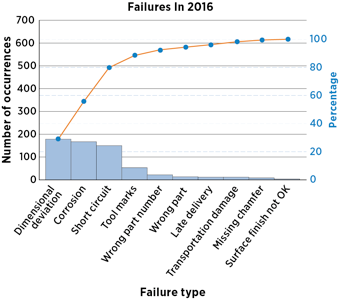
Pareto analysis
Noun
Analysis that studies the distribution of items in different ranges of values. Typically, a small proportion of the items represents a high proportion of the total value and vice versa.
Example: Based on inventory Pareto analysis the accessories are almost belong.
es: Análisis de Pareto.
Production flow analysis
Noun
Technique used to plan the change from the pro-process organization to the organization by product, to plan the simplification of the material flow systems and to find the groups and families by technological characteristics.
Example: In operations management and industrial engineering, production flow analysis refers to methods.
es: Análisis del flujo de la producción.
Purchase order quantity
Noun
The total quantity of goods to be supplied that is specified in a purchase order.
Example: Quantity still to be delivered in respect of a purchase order item. If the entire purchase order quantity or more has been delivered.
es: Cantidad de pedido de compra.
Requirements calendar
Noun
A list of the quantities of parts or materials required to complete a given production schedule.
Example: Requirements Calendar Server is installed on an Oracle GlassFish Server domain.
es: Calendario de requerimientos.
Warehouse in transit
Noun
A store in which parts are accumulated in product sets until ready and required to be issued for assembly or for a customer.
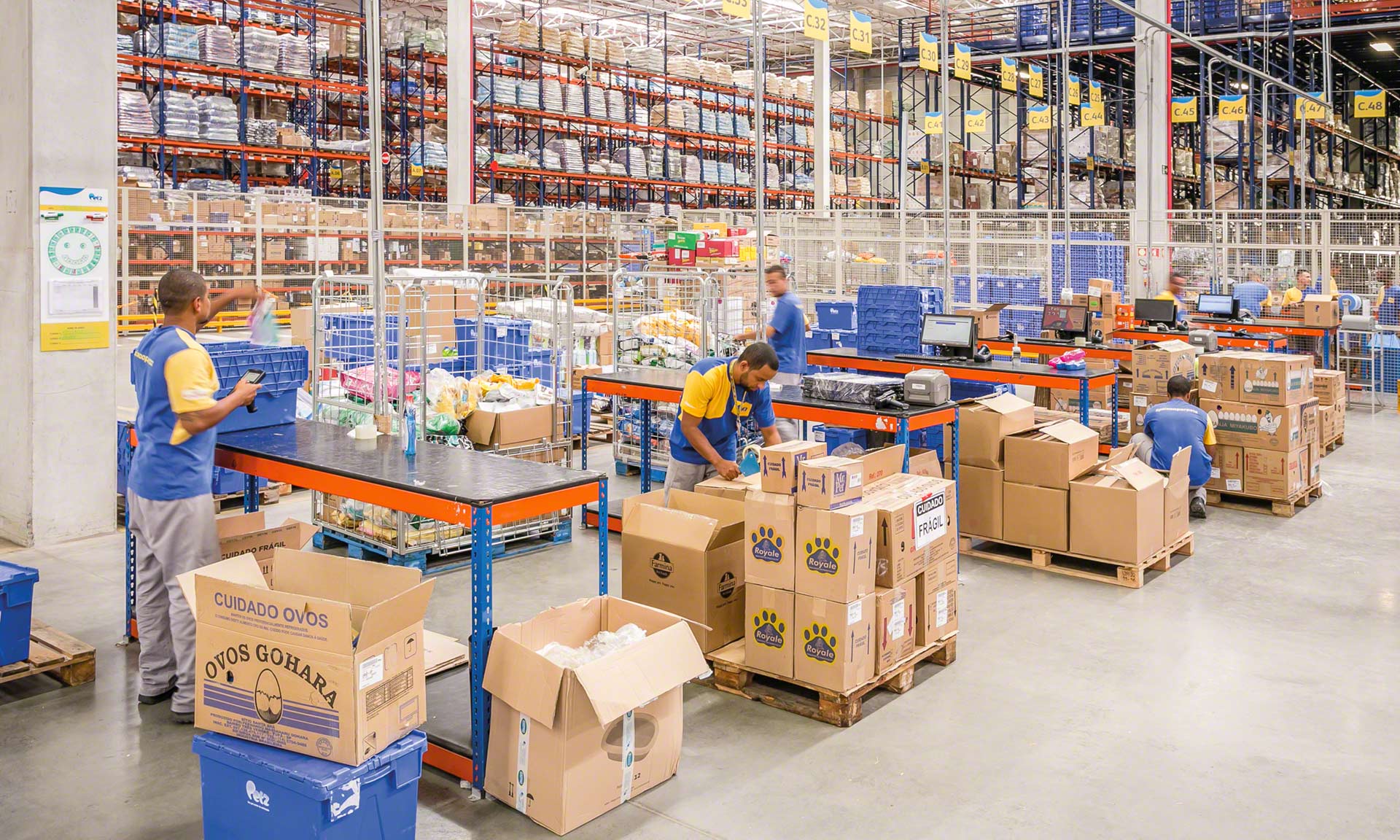
Example: A transit warehouse is a space set up exclusively to quickly receive and dispatch goods.
es: Almacén en tránsito.
Workplace
Noun
A specific production facility consisting of one or more people and / or machines that can be considered as a unit for detailed scheduling and capacity requirements planning (APICS) purposes.
Example: To develop a workplace, manufacture a product, or provide a service, the methods engineer must follow a systematic procedure.